What to know about Hillingdon Council rubbish rules
Posted on 03/09/2026
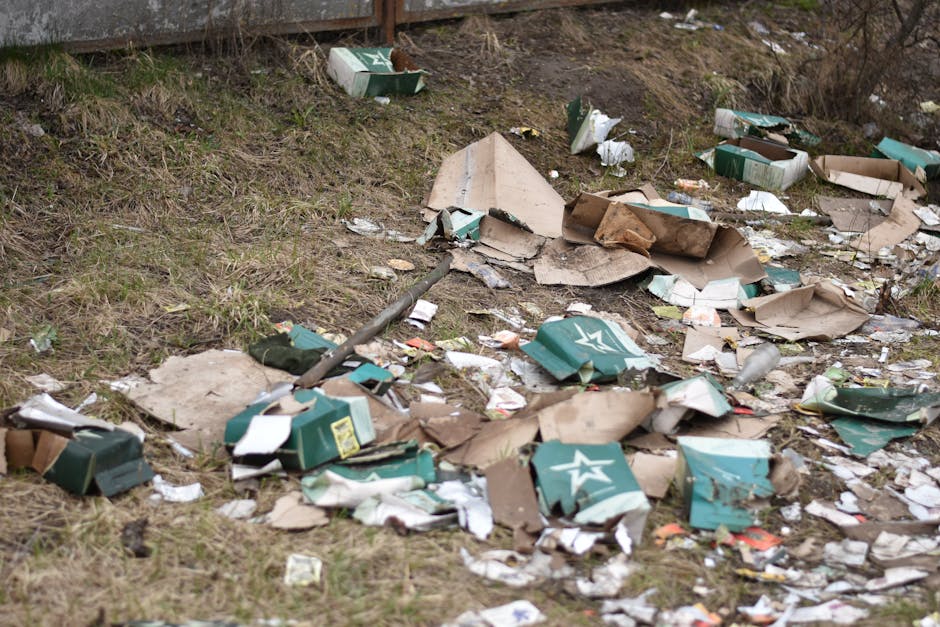
What to Know About Hillingdon Council Rubbish Rules
If you live in west London, run a business in the area, or are clearing a property in the borough, What to know about Hillingdon Council rubbish rules can save you time, money, and a fair bit of stress. Nobody enjoys staring at a pile of bin bags, a broken wardrobe, and a missed collection notice on a damp Tuesday morning, wondering what goes where. The good news is that once you understand the basics, the rules are actually quite manageable.
This guide breaks down the practical side of local rubbish disposal: what council services usually cover, where people get caught out, how to sort waste more sensibly, and when a private clearance option may be the easier route. If you want a broader overview of local waste support, you may also find the services overview helpful, especially if you're comparing disposal options for a home, office, or renovation job.
We'll keep this grounded in everyday situations, not jargon. Because let's face it, most people just want to know: what can I put out, what will be refused, and how do I avoid a mess of fines or fly-tipping headaches?
Why Hillingdon Council rubbish rules matter
Rubbish rules are one of those local details people only notice when something goes wrong. A bin is left out too early. A sofa is abandoned near the kerb. Recycling is mixed with general waste. Suddenly, a simple disposal job becomes a note from the council, a missed collection, or a neighbour complaint.
In Hillingdon, the rules matter for three reasons. First, they help collections run smoothly across busy neighbourhoods like Uxbridge, Hayes, Ruislip, and Northwood. Second, they reduce contamination in recycling streams, which is a real issue when food waste, glass, and mixed packaging are tossed together. Third, they protect residents from avoidable enforcement action, especially when waste ends up presented incorrectly or dumped where it shouldn't be.
There's also a very practical angle. If you understand the rules before a clear-out, you can plan the job properly. That might mean separating garden waste from general rubbish, booking the right collection route, or deciding whether a one-off clearance service is simply more efficient. If you're handling a bigger job, such as a move-out or bereavement clearance, the difference can be huge. One sorted pile saves three trips and a lot of frustration. Simple, but true.
For people living in flats or shared housing, the stakes are higher again. Shared bins fill quickly, and one person's mistake can affect the whole block. That is why getting the basics right is not just about compliance; it's about being a decent neighbour, really.
How Hillingdon Council rubbish rules work
At a practical level, council rubbish rules usually revolve around four things: what you can dispose of, how it must be presented, when it is collected, and whether it belongs in residual waste, recycling, food waste, garden waste, or a special collection stream.
Most residents use a combination of kerbside collections and recycling containers. Households typically need to separate common recyclables from general waste, and bulky items usually need a separate arrangement. That separation matters because collection crews are not there to sort through mixed waste on the pavement. If the wrong items are in the wrong container, it may be left behind. No drama, just a very practical refusal.
Bulky waste is where many people get unstuck. A mattress, broken furniture, or DIY waste is not the same as the weekly wheelie bin. If you are clearing a room, changing furniture, or dealing with post-renovation debris, you may need a different process entirely. In some cases that means a council bulky waste collection; in others, private removal is the faster and cleaner option. If you are comparing disposal routes, a page like rubbish collection in Uxbridge can help you understand the service style that fits everyday clear-outs.
Another important point: presentation matters. Bags should be sealed, bins should not be overfilled, and loose rubbish should not be left around the base of the container. A windy morning can turn a small oversight into litter along the whole street. You know the scene - one torn bag, then another, and by lunch there are takeaway wrappers doing laps outside the front gate.
What usually counts as normal household waste?
General waste normally includes everyday non-recyclable items such as sweepings, hygiene waste, and mixed rubbish that cannot reasonably be separated. But even here, there are limits. Heavy DIY waste, electrical items, paint tins, and hazardous material often need special handling. That is where people often assume, incorrectly, that "rubbish is rubbish". It isn't, not in council terms.
What usually needs separate handling?
- Large furniture and bulky items
- Electricals and appliances
- Garden cuttings and green waste
- DIY rubble, tiles, and broken fittings
- Paint, chemicals, and other hazardous material
- Mixed office waste or commercial rubbish
That list is not exhaustive, but it gives you the idea. If you're unsure, it is better to pause and check than to dump everything into one pile and hope for the best. Hope is not a disposal strategy.
Key benefits and practical advantages
Following Hillingdon Council rubbish rules properly does more than keep you on the right side of local expectations. It creates a much smoother disposal routine overall.
- Fewer missed collections: Correctly sorted waste is more likely to be taken on schedule.
- Cleaner kerbside presentation: Well-presented rubbish reduces litter and odour.
- Better recycling outcomes: Less contamination means more material can be processed correctly.
- Lower risk of complaints: Neighbours and managing agents are less likely to object when waste is handled properly.
- Less stress during clear-outs: Knowing the rules helps you plan a job in a calm, practical way.
There is also a business benefit if you are a landlord, letting agent, shop owner, or office manager. A tidy disposal process protects property presentation and helps avoid awkward delays between tenants or staff changes. For property-related planning in the area, the article on the property market in Uxbridge offers useful context on why cleanliness and turnaround timing matter so much locally.
And in fairness, a clean, organised collection day just feels better. There is something deeply satisfying about seeing the last bag go, the pavement cleared, and the front of the house back to normal by evening.
Who this is for and when it makes sense
This topic matters to a lot of different people, not just homeowners. The rules affect day-to-day life in surprisingly broad ways.
- Homeowners doing weekly recycling, spring cleans, or large room clear-outs
- Renters preparing for end-of-tenancy disposal or moving day
- Landlords managing vacant properties or abandoned items
- Letting agents and property managers who need fast turnaround between occupants
- Businesses disposing of packaging, office clutter, or outdated stock
- Tradespeople dealing with builders' waste, timber, plasterboard, or renovation debris
- Gardeners and keen DIYers handling green waste or small project rubbish
It also makes sense whenever you have more waste than usual. That may be after a house move, a loft sort-out, a garden overhaul, or a post-refurbishment clear-up. A regular bin arrangement can cope with everyday life, but not always with a big one-off job. That is when confusion starts, and where people either overfill bins or leave material waiting far too long.
If you are dealing with a larger domestic clearance, a dedicated service like house clearance in Uxbridge can be a more realistic option than trying to squeeze everything into weekly collections. Likewise, for a garage, loft, or office clear-out, different disposal needs can quickly multiply.
Step-by-step guidance
If you want to stay compliant and keep things simple, a step-by-step approach works best. No need to overthink it.
- Sort the waste by type. Put recyclables, general waste, bulky items, and special waste into separate groups.
- Check what can and cannot be collected. Look at your waste carefully. A broken chair is one thing; a broken chair with upholstery, metal springs, and a bag of screws mixed in is another.
- Prepare containers properly. Use the right bins, boxes, or sacks. Avoid overfilling. Keep lids shut where possible.
- Place waste out at the correct time. Do not put bins out too early, and do not leave them blocking paths or drives longer than necessary.
- Keep hazardous and electrical items separate. Do not assume they can go with ordinary rubbish.
- Book special removal for bulky or awkward items. This is often the cleanest route for furniture, appliances, or DIY waste.
- Confirm collection details if needed. If you are unsure whether an item is accepted, get clarity before collection day.
That sequence sounds obvious, but people skip steps all the time. Usually because they are in a rush. Sometimes because they are simply trying to clear space before the weekend. Truth be told, rubbish rules are easiest when you treat them like a small project rather than a last-minute chore.
A quick domestic example
Imagine you are clearing a spare room on a Friday evening. There is an old mattress, a bag of packaging, a small electrical fan, and a stack of books. The books may be reusable, the packaging may be recyclable, the fan may need special handling, and the mattress may need a separate collection. One pile. Four different disposal paths. That is exactly where people get tripped up.
Expert tips for better results
After dealing with enough clear-outs, a few patterns become obvious. These are the little habits that make rubbish disposal much easier.
- Keep one "sort first" area inside the property. Even a hallway corner works if it is tidy and temporary.
- Break down bulky items early. Flat-pack cardboard, dismantled furniture, and bundled green waste are easier to handle.
- Use bags that actually close. Overstuffed bags split, and split bags create mess. Not worth it.
- Separate sharp items carefully. Broken glass, nails, and metal offcuts should be wrapped or boxed safely.
- Plan around collection day. If you are moving house or having visitors, leave a bit of buffer time. Morning collections can run while everyone is still trying to find a kettle.
- Choose the least disruptive method for the volume of waste. If the job is bigger than expected, a one-off removal may save time and repeated handling.
If you are trying to keep a renovation or clearance job moving without delays, a professional waste approach may be worth considering. For builders and home improvers, builders' waste clearance in Uxbridge is often more practical than stacking debris for days at the front of the house.
There is another little tip that sounds minor but helps a lot: photograph the pile before moving anything. If you later need to check what is included or explain the volume to a disposal provider, that snapshot can save time.

Common mistakes to avoid
Most rubbish problems come from a handful of repeat mistakes. The good news is they are easy to spot once you know what to look for.
- Mixing recycling with food waste or general rubbish - contamination can lead to rejected recycling.
- Putting out bulky waste like ordinary bin bags - furniture and large items usually need separate arrangements.
- Leaving waste outside too early - this can create obstruction, litter, or complaints.
- Ignoring special rules for hazardous items - certain items should never go in normal bins.
- Overfilling containers - lids that cannot close properly often cause problems.
- Assuming all DIY waste is accepted the same way - rubble, timber, plasterboard, and mixed construction waste are often treated differently.
- Waiting until the last minute - a rushed clear-out nearly always leads to sorting mistakes.
One of the most common situations is after decorating. The room looks nearly finished, but there is paint packaging, old skirting, filler tubes, broken bits of plasterboard, and a few random screws that somehow appear in every corner. It's small stuff individually, but together it becomes a real disposal task.
For furniture-heavy jobs, services such as furniture disposal in Uxbridge can be a cleaner and more sensible route than trying to coax a sofa through a narrow hallway at 7 a.m. while everyone pretends to be calm.
Tools, resources and recommendations
You do not need fancy equipment to handle rubbish properly, but a few simple tools make a noticeable difference.
- Sturdy sacks or rubble bags for heavier waste
- Marker pens and labels to keep waste streams separate
- Gloves for handling sharp or dirty items
- Tape or straps for bundling cardboard, timber, or dismantled items
- A trolley or sack barrow if you have a long path or awkward access
- Boxes or tubs for small electricals, screws, and loose fragments
From a planning perspective, it helps to compare your options before you start lifting. If the waste is mostly bagged household rubbish, one route makes sense. If it is a mixed load from a loft, garage, or office, a different route may be smarter. For broader waste management support, the page on waste removal in Uxbridge is a useful starting point.
For people who prefer a more hands-off service, browsing pricing and quotes can help you understand the kind of information needed before a job is priced. And if you are keen to reduce what goes to landfill in the first place, the site's recycling and sustainability page is worth a look.
Law, compliance, standards and best practice
Rubbish disposal is not just about tidiness; there are legal and practical duties behind it. While local procedures can vary, the general UK expectation is that householders and businesses manage waste responsibly, keep it contained, and avoid fly-tipping or nuisance.
For residents, the main best-practice points are straightforward: use the correct containers, separate recyclables properly, do not place prohibited items in ordinary collections, and present waste on the right day. For businesses, the bar is usually higher. Commercial waste must be managed with care, and businesses should keep records and use lawful disposal routes. If that sounds dry, well, it is a bit dry. But it matters.
A sensible standard to apply is this: if an item could injure someone, contaminate a recycling load, block access, or create odour or leakage, it probably needs special treatment. That's a decent rule of thumb, even before you get into the finer details.
It is also wise to avoid relying on assumptions from another borough or from years ago. Local collection arrangements change, and what worked in one area might not be accepted in another. If you are dealing with a property in Hillingdon and want a fast, reliable alternative, the skip hire in Uxbridge page may be useful for larger, longer-duration projects, while same-day rubbish removal in Uxbridge UB8 can suit urgent clear-outs.
And a quick note on safety: never lift heavy items awkwardly just to avoid a collection delay. Bad backs are not part of the disposal plan.
Options, methods and comparison table
People dealing with rubbish in Hillingdon usually choose between council-style collections, skip hire, or a man-and-van style clearance service. Each has its place.
| Option | Best for | Strengths | Trade-offs |
|---|---|---|---|
| Council collections | Routine household waste and some approved bulky items | Simple for regular use; familiar process | Limited flexibility; not ideal for urgent or mixed loads |
| Skip hire | Building work, garden projects, larger quantities | Good capacity; useful for ongoing jobs | Needs space and planning; not always convenient for tight access |
| Private rubbish clearance | Bulky, mixed, urgent, or awkward waste | Fast, tailored, and often less disruptive | Depends on volume and job complexity |
Choosing the right method is often less about price alone and more about hassle. A cheaper route can cost more if it means multiple handling steps, delays, or repeated trips. That is why people clearing a flat after a move often prefer a straightforward removal service, while someone renovating a driveway might favour a skip. Different jobs, different answers.
If you are comparing practical support for different settings, the pages on garage clearance, loft clearance, and office clearance can also help you match the method to the mess.
Case study or real-world example
Here is a realistic example based on the sort of job people often face in Uxbridge.
A small landlord is preparing a two-bedroom flat for new tenants. The outgoing occupiers have left behind a broken chair, a mattress, two bags of mixed rubbish, a stack of old kitchen bits, and a few electrical items tucked into a cupboard. At first glance, it looks like a simple bin-day problem. It is not.
The landlord could try to piece it together over several council cycles. But that means storing items safely, separating different waste types, and waiting for multiple collection dates. The flat stays in a half-finished state, which is awkward for viewings and inconvenient for decorators. Instead, the landlord sorts the load, separates anything reusable, and arranges a removal method suited to bulky mixed waste.
The result is not just speed. The property feels properly reset. Floors are clear. The air is fresher. The next people walking through are seeing the flat, not the debris. That little difference matters in a place where rental and sale decisions can move quickly. If you are interested in the local housing context, this real estate guide to Uxbridge investments offers a useful broader perspective.
It is a good reminder that rubbish rules are never really just about rubbish. They affect timing, presentation, and the overall feel of a property. Oddly enough, that can make a bigger difference than people expect.
Practical checklist
Use this before you put waste out or book a collection.
- Have I separated general waste, recycling, garden waste, and bulky items?
- Have I checked whether any item needs special handling?
- Are all bags sealed and containers not overfilled?
- Have I kept waste off paths, driveways, and shared access areas?
- Do I know the right day and time for collection?
- Have I removed hazards such as sharp edges or loose glass?
- Do I need a separate solution for furniture, electricals, or DIY waste?
- Have I planned enough time so I am not rushing at the last minute?
Small checklist, big difference. If you work through it calmly, the whole process tends to be much smoother.
Get a free quote today and see how much you can save.
Conclusion
What to know about Hillingdon Council rubbish rules comes down to a simple idea: sort waste properly, use the right collection route, and do not treat every item as if it belongs in the same bag. Once you get that rhythm, the process becomes far less daunting.
For day-to-day life, the rules help keep collections orderly and neighbourhoods cleaner. For bigger jobs, they help you decide when council services are enough and when a more flexible clearance option is the better fit. Either way, planning ahead is what saves the hassle. Not perfection. Just sensible, well-timed action.
If you are dealing with a clear-out, a move, or a bulky waste problem, take it one step at a time. The job may look messy at first, but it rarely stays that way for long once you start sorting properly. And that is a reassuring thing, really.


 Tipper Van - Rubbish Removal and Garden Waste Clearance Prices in Uxbridge, UB8
 Luton Van - Rubbish Removal and Garden Waste Clearance Prices in Uxbridge, UB8